Create a Balanced Outdoor Space With Stone, Plants, and Smart Layout
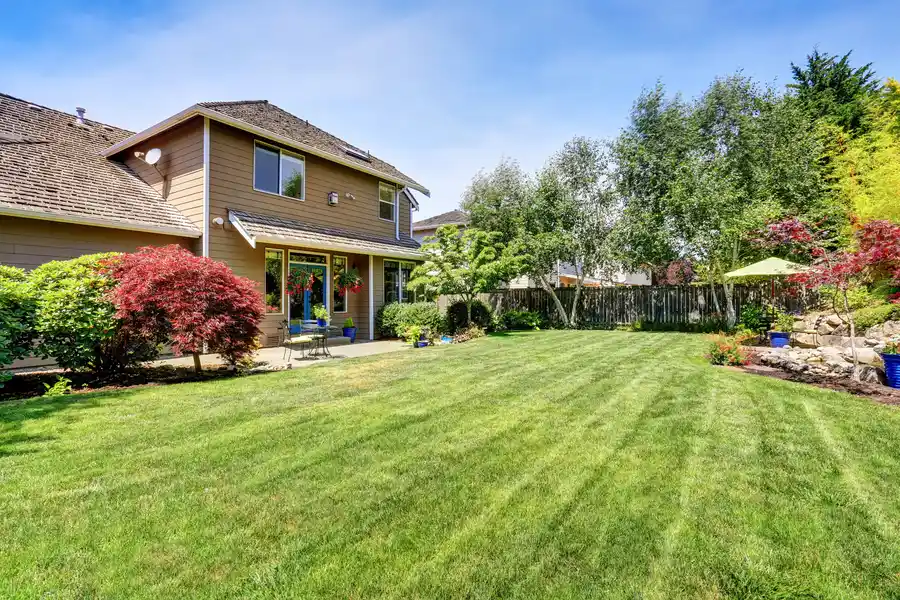
To blend hardscapes and softscapes in patio landscaping, you need balance. Hardscapes include pavers, stone, concrete, and walls. Softscapes include grass, shrubs, flowers, and trees. The goal is to mix these elements so your patio feels warm, natural, and easy to use. When done right, your patio looks inviting instead of plain or crowded.
What You Need Before Starting
Before you move plants or lay pavers, take time to plan. Good patio landscaping begins with a clear layout. Think about how you use your yard. Do you host cookouts? Do kids need open space? Do you want a quiet area to relax?
You will need:
- A simple sketch of your patio area
- Measurements of the space
- A list of plants that grow well in your region
- Materials like pavers, gravel, or retaining wall blocks
- Basic tools for grading and planting
It also helps to think about drainage and sunlight. Plants need the right light. Hard surfaces need a solid base to prevent shifting or cracking.
Step-by-Step Process to Blend Hard and Soft Elements
- Start with a strong patio base. Install your main hardscape first. This may be a concrete slab, brick patio, or natural stone surface. Make sure it is level and drains water away from your home.
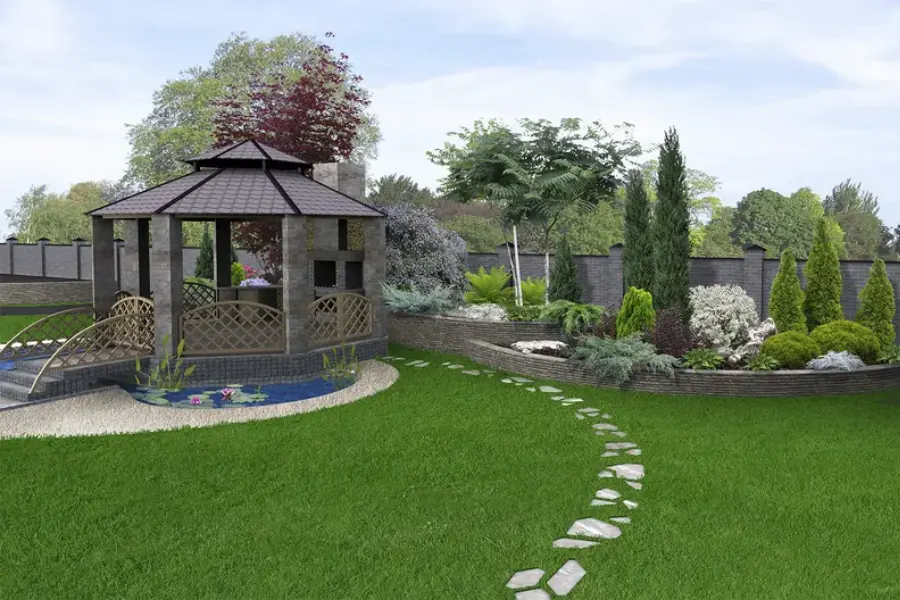
- Add borders to soften edges. Use planting beds along the sides of the patio. Curved edges often look more natural than sharp corners.
- Layer plants by height. Place taller shrubs or small trees in the back. Medium plants go in the middle. Low flowers or ground cover belong in front.
- Mix textures and colors. Pair rough stone with soft grasses. Combine smooth pavers with leafy plants. This adds depth and interest.
- Create flow with pathways. Use stepping stones or gravel paths to connect areas. Let plants gently spill near the edges to soften the walkway.
- Add focal points. A fire pit, water feature, or decorative wall can tie everything together.
This step-by-step plan keeps your patio landscaping from looking too crowded or too bare.
Common Mistakes to Avoid
Many homeowners lean too heavy on one side. Too much concrete can make a yard feel cold. Too many plants can hide the patio and create extra maintenance.
Avoid these mistakes:
- Using only one material for all hard surfaces
- Planting shrubs too close to the patio edge
- Ignoring drainage around stone areas
- Choosing high-maintenance plants for busy households
- Forgetting space for outdoor furniture
Another common issue is poor spacing. Plants grow over time. Give them room so they do not crowd walkways or seating areas.
When to Call a Professional
Some patio landscaping projects are simple. Others require careful grading, drainage plans, or retaining walls. If your yard slopes, collects water, or needs major digging, a professional can help prevent costly problems.
Installing large paver patios or stone walls takes skill and heavy equipment. Mistakes can lead to uneven surfaces or water damage near your foundation.
If you want lighting, irrigation, or a full outdoor living space, working with an experienced team can help bring the entire design together under one plan.
Build a Patio That Feels Natural and Functional
A great patio should feel connected to the rest of your yard. Stone, brick, plants, and grass should flow together without harsh breaks. Blending hardscapes and softscapes takes planning, but the result is worth it. You get a space that feels both structured and alive.
At Rivas Landscaping, we help homeowners throughout Middletown, NY design and build patios that balance beauty and function. Our team handles everything from layout to planting so every element works together. Call us at (845) 613-5431 to talk about your patio ideas and see how we can help bring them to life.